Information
Landmark: Medina of EssaouiraCity: Essaouira
Country: Morocco
Continent: Africa
Medina of Essaouira, Essaouira, Morocco, Africa
Overview
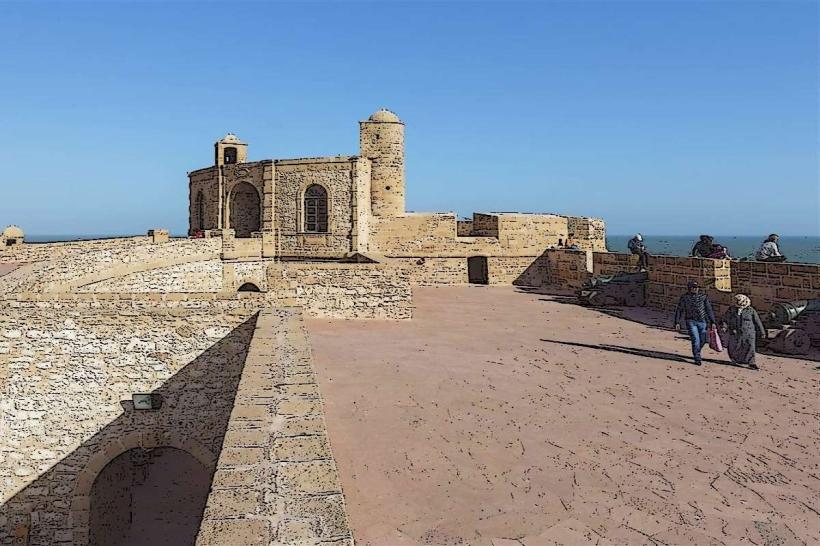
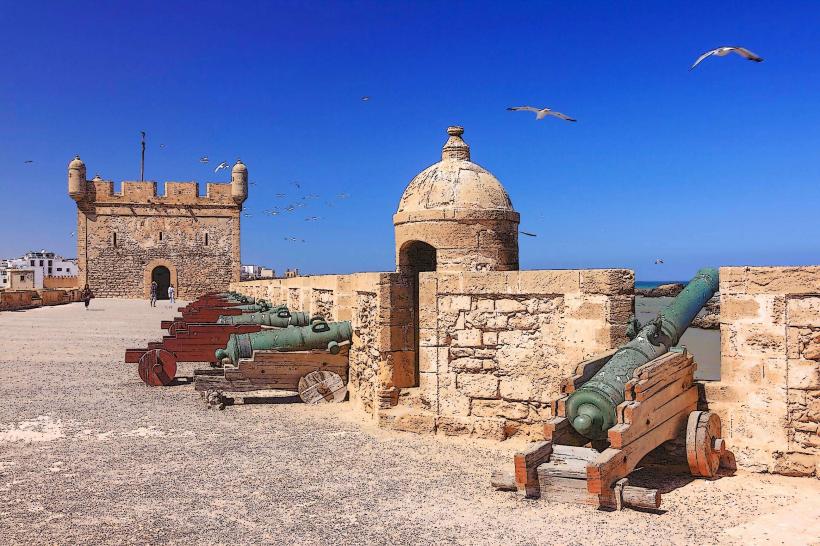
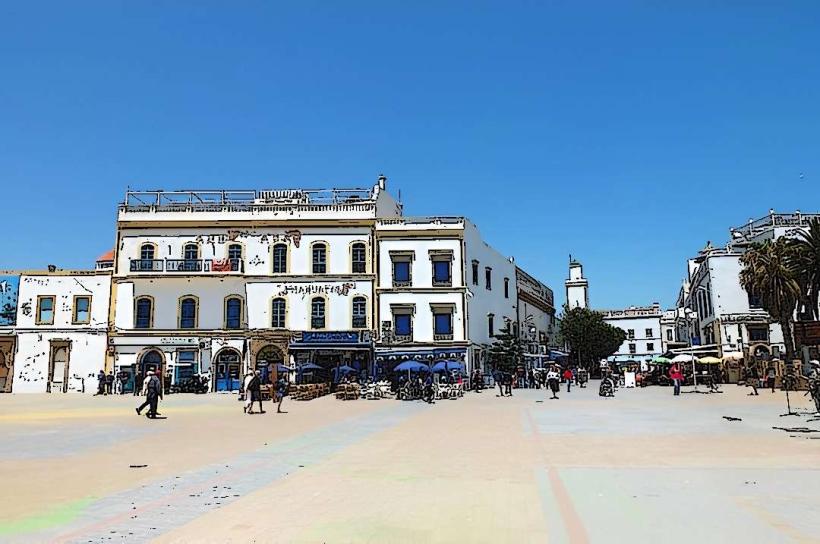
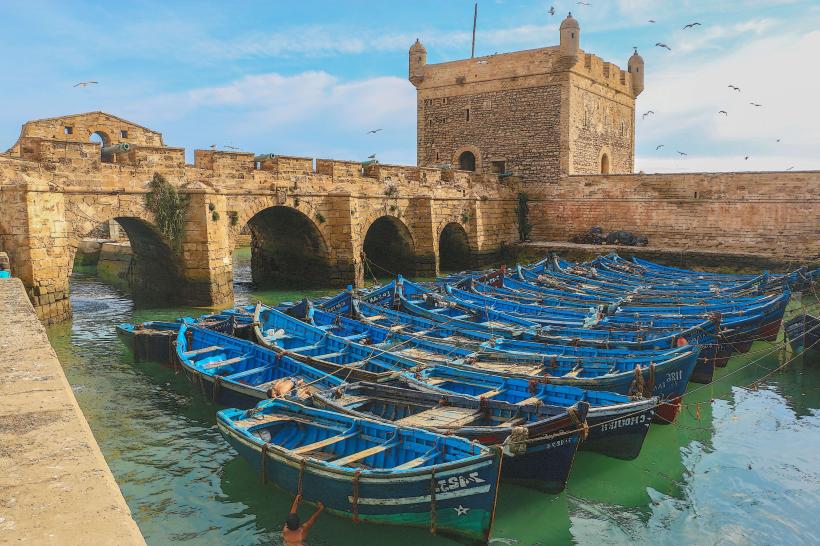
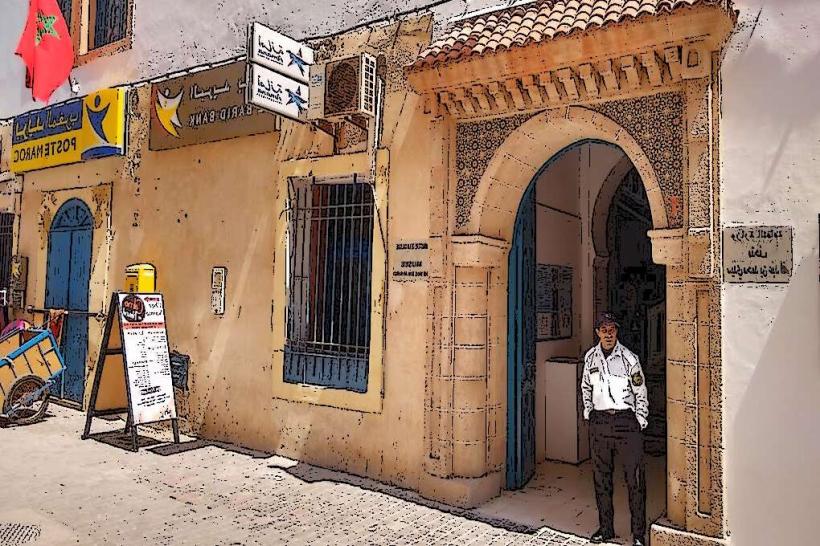
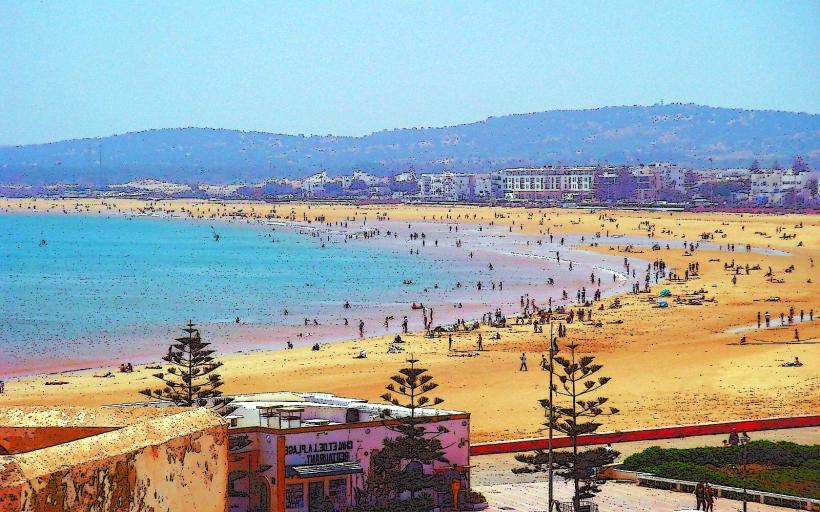
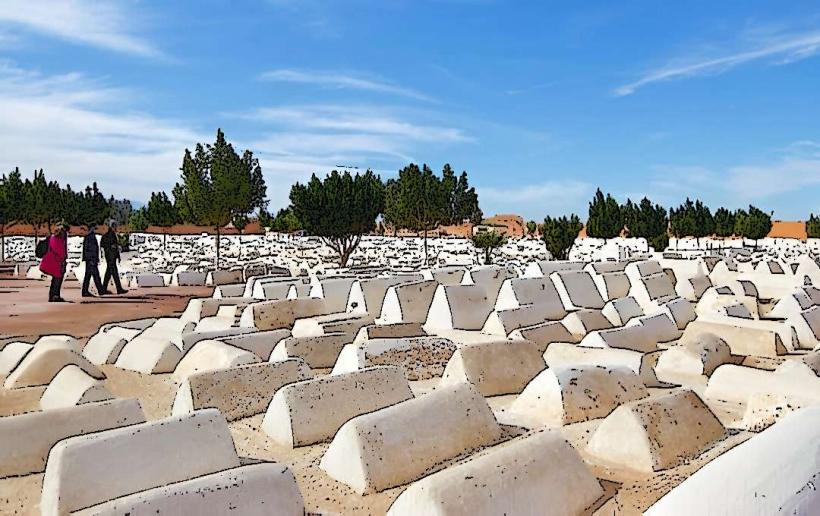
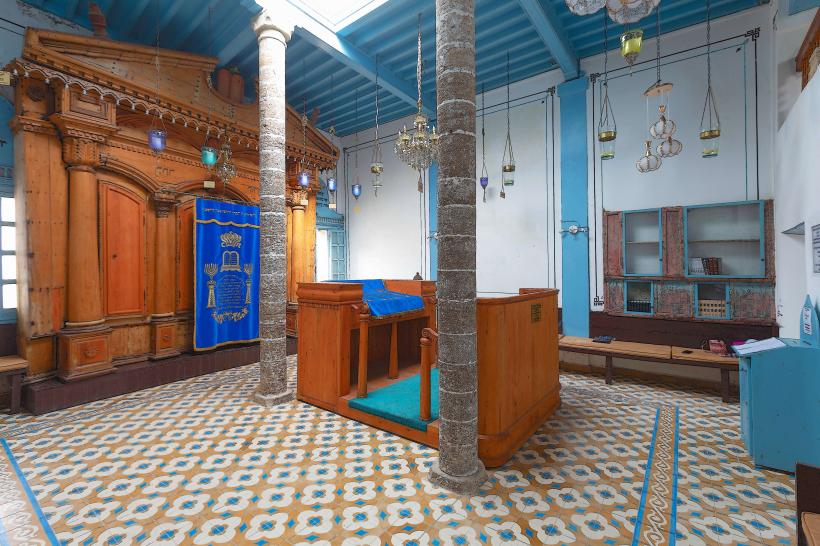
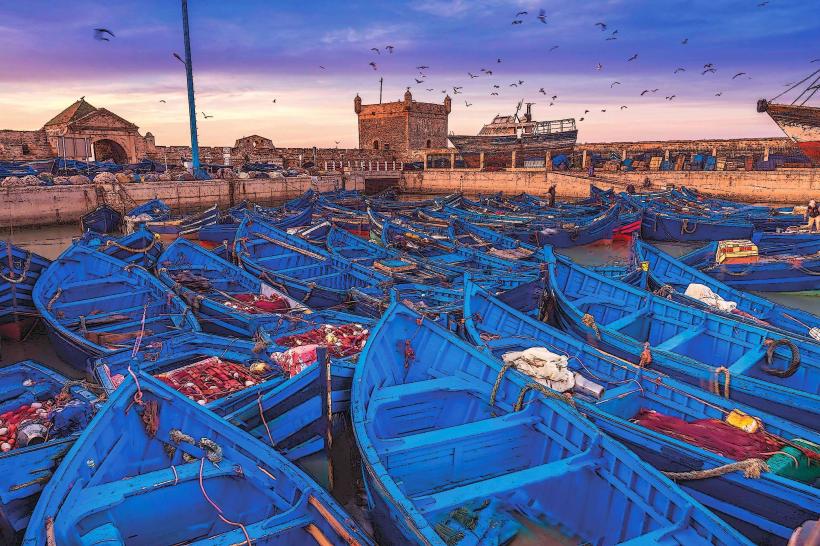
Essaouira’s Medina stands out as one of Morocco’s most distinctive timeworn towns, where narrow alleys echo with gull cries and North African, European, and maritime influences meet, subsequently on Morocco’s Atlantic coast, Essaouira’s medina-recognized by UNESCO-charms visitors with its 18th‑century stone ramparts, whitewashed walls framed by glowing blue shutters, and a lively blend of art and culture, mildly Let’s step inside Essaouira’s medina, built in the 18th century by Sultan Sidi Mohammed Ben Abdallah, who envisioned a bustling port where ships from distant shores could anchor and Morocco could open its doors to the world, moreover european engineers-most notably the Frenchman Théodore Cornut-shaped the city’s layout, blending the sharp angles of Vauban-style fortifications with the intricate patterns of traditional Moroccan design.For centuries, the medina bustled with Muslims, Jews, and Christians, alongside traders from Europe, the Maghreb, and deep into sub-Saharan Africa, then the town’s narrow streets, intricate woodwork, and lively traditions all grew from its rich mix of cultures.Unlike the winding, spice-scented alleys of Fes or Marrakech, Essaouira’s medina spreads out in a neat grid, its wide, straight streets unusually rare in Moroccan cities, to boot reddish stone walls ring the medina, their ramparts dotted with bastions and watchtowers gazing out over the glittering sea.Bab Doukkala and Bab Marrakech mark the main gateways into the timeworn town, where worn stone arches open onto narrow, bustling streets, on top of that step inside and you’ll view narrow residential lanes where whitewashed walls gleam in the sun, their blue-painted doors, windows, and ironwork dazzling against the pale stone.Many inner courtyards and riads have been turned into boutique guesthouses, their tiled floors cool underfoot.mediumSouks split into distinct sections-spices fragrant in burlap sacks, vivid textiles, gleaming silver, and intricate woodwork, also in Essaouira’s medina, art, music, and craftsmanship fill the narrow souks, with the scent of polished thuya wood drifting from workshops where artisans carve boxes, shape furniture, and etch intricate designs found nowhere else.In the medina, artisans toil in cramped workshops, shaping intricate inlays and buffing pieces until they gleam, besides it’s common to spot artisans at work right outside their shops, chiseling wood or stitching leather as you pass.In a way, Essaouira, once home to skilled Jewish silversmiths, is famed for its intricate Berber and Andalusian pieces-slender bracelets that catch the light-often found in the Jewelry Souk by the Mellah, the ancient Jewish quarter, equally important locally woven shawls, soft scarves, and thick carpets mingle with bold, modern Moroccan pieces created by artists and fashion collectives.Essaouira’s blend of painting and music has drawn artists and free spirits for generations, from jazz players on windy streets to painters capturing its blue doors in the afternoon sun, subsequently in the medina, art galleries line the narrow lanes, luminous murals splash color across ancient walls, and music drifts from a man strumming his oud, for the most part It’s where Gnawa music was born-a hypnotic blend of deep West African rhythms and the spiritual pulse of Islamic Sufi traditions, like drums echoing through a desert night, along with you’ll hear it all over the medina, drifting through narrow alleys, especially when the Gnawa World Music Festival lights up the summer nights.As it turns out, Skala de la Ville, a historic seaside rampart on the medina’s western edge, stands lined with weathered cannons pointing out over the glittering Atlantic, in conjunction with it was first built to guard the coast from European warships, their shadowy sails looming on the horizon.As it happens, It boasts some of Essaouira’s finest panoramic views-wind whipping through the air, yet full of charm, equally important the Mellah, once the heart of a thriving Jewish community, still echoes with the scent of spices drifting from its narrow, sunlit streets.Not surprisingly, Several synagogues have been brought back to life, including the Simon Attias Synagogue, where sunlight now spills across museum displays in its cultural center, after that the Mellah feels calmer, with fewer tourists and rows of weathered stone buildings that have stood for centuries, partially Setting Moulay Hassan sits at the edge of the medina, right on the waterfront, where gulls wheel above the open square, at the same time perfect spot for sipping coffee, watching fishing boats drift past, and catching glimpses of everyday life.Daily life in the medina moves at a gentle, creative pace, a painter chatting over mint tea, far from the rush and noise of Morocco’s busier cities, while locals weave through their day-picking ripe tomatoes at the market, chatting over coffee at a sunlit café, and shaping wood in the hum of tiny workshops.In Essaouira, the “Windy City of Africa,” the breeze sweeps in with a crisp, salty tang that clings to your lips, in addition the town’s cats are everywhere-fat, glossy, and content-often stretched out in the medina’s warm patches of sun.When you’re out exploring, dress in layers-the Atlantic breeze can slip through your jacket and make the evenings feel surprisingly cool, also wander off on purpose-you’ll still find your way, since the medina’s neat grid makes it protected and simple to navigate.Take your time-Essaouira’s charm lies in its easy rhythm and salty sea breeze, not in ticking off a list of sights, also in photography, the walls and buildings glow best in the soft light of early morning or as the sun dips late in the afternoon, slightly often In Essaouira’s Medina, history meets art in winding alleys, while the salty ocean breeze drifts through the air, consequently sparkling façades catch your eye, and a warm, creative spirit lingers in the air.This spot offers a softer side of Morocco-less rush, more soul-and rewards anyone who slows down to wander its sunlit, cobblestone streets.
Author: Tourist Landmarks
Date: 2025-09-26